
We offer the ideal solutions to digitalize the metalworking industry's Supply Chain. And we can prove it.


Dynamic bottlenecks, expensive tooling and strategic inventory.
Companies served in this sector:


Neo supports your entire supply chain planning, from the long to the short term, addressing sector characteristics such as tooling, equipment and labor constraints, heat treatments, painting, strategic inventory and synchronization between operations of countless items with their assemblies and packaging.
Our solutions for planning, scheduling, and logistics for your supply chain

Learn about Opcenter APS
The world's leading APS software, developed to use advanced heuristics to balance demand and capacity and achieve optimized Production Planning and Sequencing. It helps us determine the best order for more efficient production.
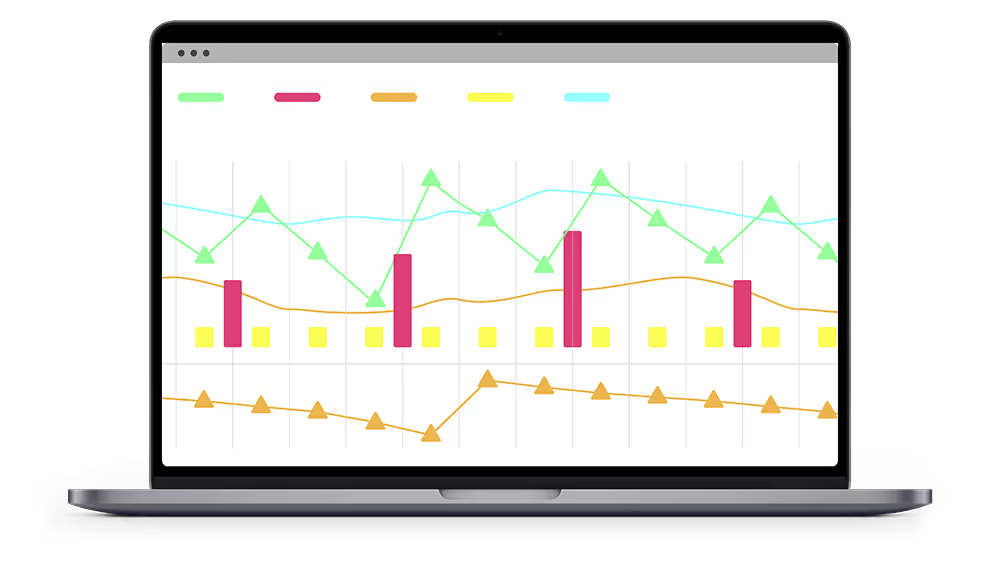
Learn about nPlan
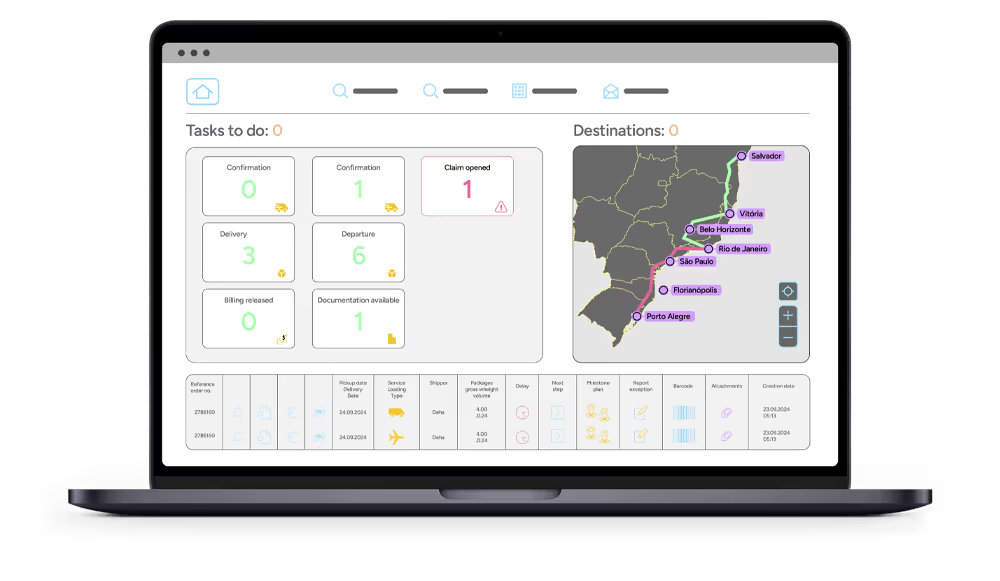
Learn about SDL AX4
Challenges in this industry:
What to expect from our projects:

Inventory Reduction
Better synchronization between operations enables a lead-time reduction, which lowers your WIP and also lets you reduce finished-goods inventory, since replenishment is faster. The solution's agility also allows reacting quickly to demand changes to avoid unnecessary inventory.

Productivity Increase
The scheduling rules will group similar items together, reducing setup times that don't add value. Better synchronization enables a reduction of wait times, generating more value directly to the product and making better use of the company's assets.

Delay Reduction
Visibility, scheduling agility and greater plan accuracy make it possible to reduce delays and stockouts, since they are identified in advance, allowing simulations to take preventive actions and eliminate them — all with scenarios that ensure availability without harming service.

Greater Agility
Harder than planning is replanning. A machine breakdown, rework on a component or a change in an item's demand can trigger a cascading effect to reschedule the whole factory. Responding to that reality quickly and with a good plan lets PPCP work be more analytical and decisive, rather than operational.

