

All4Labels reduces setup and raises service level with Opcenter APS
See how one of the world's largest label manufacturers cut its average setup time by 35% and increased OTIF by 10 percentage points.
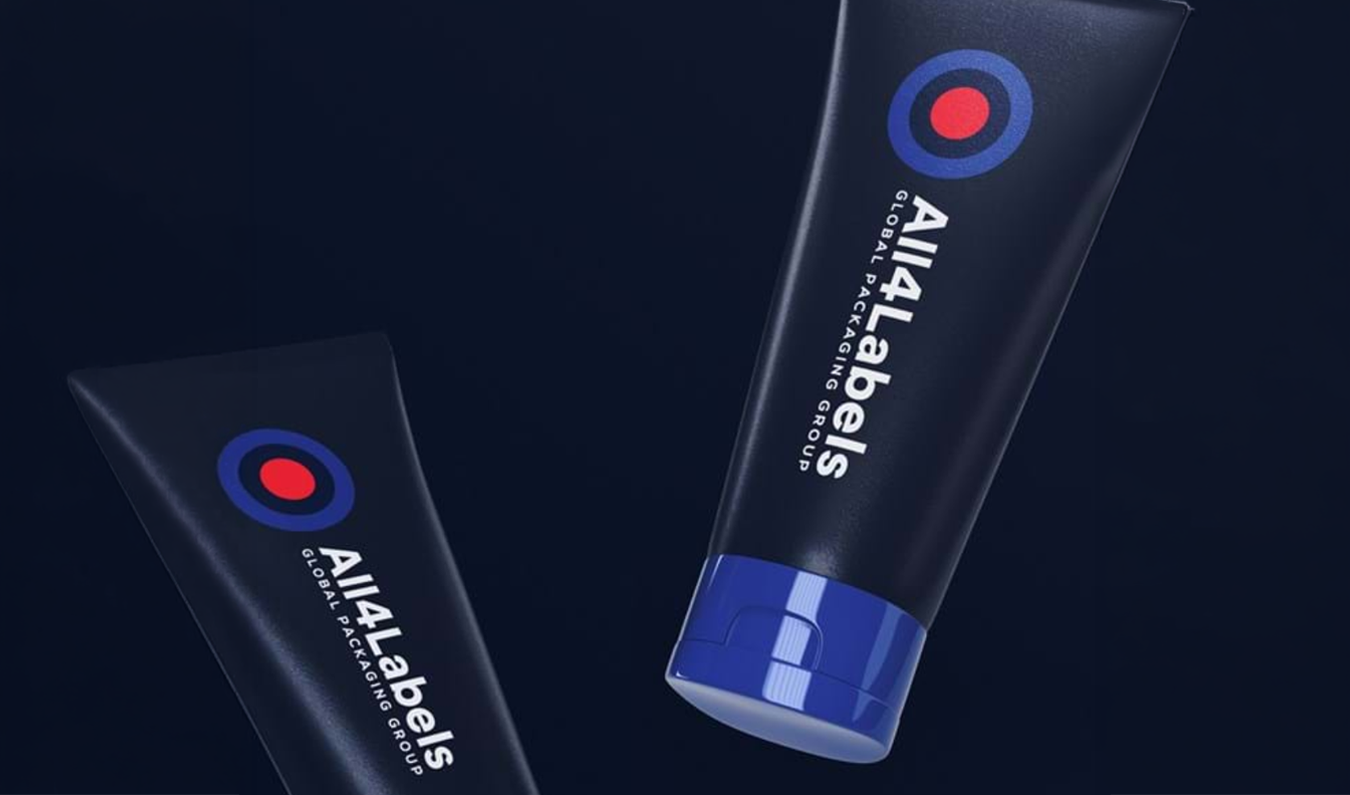

Meet All4Labels, a global benchmark in label manufacturing and a pioneer in digital printing solutions
About us
All4Labels, which currently has more than 4,000 employees and over 10,000 customers, was formed through the merger of Baumgarten, a traditional printing company from Blumenau founded in 1881, with the German companies Rako and X-Label Group and the Italian company Nuceria.
Recently, the group grew even further and incorporated another major company in the sector, Flexoprint. Today it is one of the three leading label manufacturers in the world and a pioneer in sustainable and digital packaging solutions.
Present across several continents through its 29 production units, All4Labels stands out for having one of the most complete and flexible manufacturing facilities in the printing industry, always at the forefront of the most innovative solutions on the market. Its portfolio notably features self-adhesive and shrink-sleeve label technologies.
The challenge
In 2020, All4Labels identified an opportunity to improve its production efficiency and ensure excellent service for its customers, an ever-greater challenge as its product portfolio has been growing significantly. At that point, All4Labels decided to move forward with the implementation of a solution that would improve its production scheduling in order to tackle these challenges, and chose NEO as its implementation partner on this journey and SIEMENS as the technology provider of the software to be implemented, OPCENTER APS.
When the project began, the All4Labels and NEO teams faced the challenge of implementing Opcenter APS in the two production units located at the Blumenau manufacturing site, covering the scheduling of the Printing, Finishing and Cutting departments.
Most printing companies face a very clear problem in production management: long and recurring setups. This is because, in addition to the large number of SKUs that this type of industry serves, each one has unique characteristics and specifications that require machinery adjustments. Among these characteristics and specifications, in the case of All4Labels, the setups generated by adjusting the products' color represented the largest share of the inefficiencies, directly impacting the reduction of the company's productivity and consequently increasing its costs.
In addition, the lack of visibility of the production processes and resources in the company's production scheduling generated imbalances and bottlenecks, mainly between the printing and finishing departments. This was caused by generating the schedule in a way that was restricted to each operating center, without a holistic view of all the impacts on the production chain.
"We evaluated the solutions available on the market and chose NEO and SIEMENS as partners on this journey because of NEO's proven expertise across various industries with national and international projects and the high flexibility of the Opcenter APS solution to adapt to All4Labels' specific needs."— Andressa Kieras, IT Manager
The solution
Over the course of months, the solution was designed by the teams and deployed into All4Labels' production environment, fully integrated with the company's Sapiens ERP, from which Opcenter APS collects all transactional information (such as production orders, products, etc.), performs the scheduling, and releases it to the factory through reports. In addition, specific reports are used to analyze scenarios and materials that need to be purchased.
Regarding the business rules that are important for the solution's good adherence, the creation and configuration of the various machinery constraints and the customized setup rules of the company's operating centers were extremely important so that the Opcenter APS heuristics faithfully represented what happened on the shop floor. In this way, with just one click, it became possible to generate the production schedule so as to prioritize the reduction of setup times, a loss that was quite significant for the company, without losing focus on customer service.
Furthermore, calendar imports (such as machine stoppages for preventive maintenance) were configured directly through the ERP used by the company, thus bringing more agility and reliability to the creation of the production sequencing.
Reports that assist in the company's production management were also created. For example, material analysis reports, which provide information about the raw material inventory levels for fulfilling the scheduled production orders, identifying whether the order has all its raw material in stock, whether it is awaiting a material purchase order, or whether the material still needs to be purchased.
Scenario comparison reports are also a source of analysis to support the analyst's decision-making about which scenario will be sent to the factory.
Naturally, the implementation was a major challenge from a cultural standpoint, given that previously the scheduling horizon was measured in hours and now it is possible to see longer horizons, which changes the way production priorities are assessed. However, the teams were determined to evolve their processes and the technology enabled this change, which made the project a success.
"It was a significant transformation in PPCP, because we had a scheduling process with very low visibility and in a reactive manner due to the high effort required to schedule without a specialist solution. Now we are able to reorganize the team's activities and have more centralized and cadenced scheduling, with much more information at hand for decision-making."— Ariel Peixe, Production Planning and Control Coordinator
The results
As measurable results from the implementation of the Opcenter APS software, All4Labels can already account for an increase of 10 percentage points in the OTIF indicator (On-time In-full), the company's main service-level quality indicator. In addition, there was a 35% reduction in average setup times, representing a major reduction in one of the company's main challenges.
Among other results, we can mention the reduction in the effort of the PPCP team and in the number of production reschedulings, as well as the promotion of greater agility for simulations and greater reliability of the data. Finally, the solution enabled greater visibility from raw material management and the balancing of resources through to the delivery of the finished product.
Even so, the challenge continues, as the company aims to expand the use of the software to the group's other production plants, making the scheduling model more standardized across units in terms of technology and process, and thereby multiplying these gains.
"Our goal now is to bring the solution implemented in Brazil to All4Labels' other units in the Americas, standardizing our production planning and scheduling process, ensuring synergy between the plants and multiplying the results we have achieved so far."— Andressa Kieras, IT Manager
SEE MORE RESULTS LIKE THIS AND LEARN HOW TO PROJECT THE ROI FOR A SUPPLY CHAIN PLANNING PROJECT IN YOUR INDUSTRY:
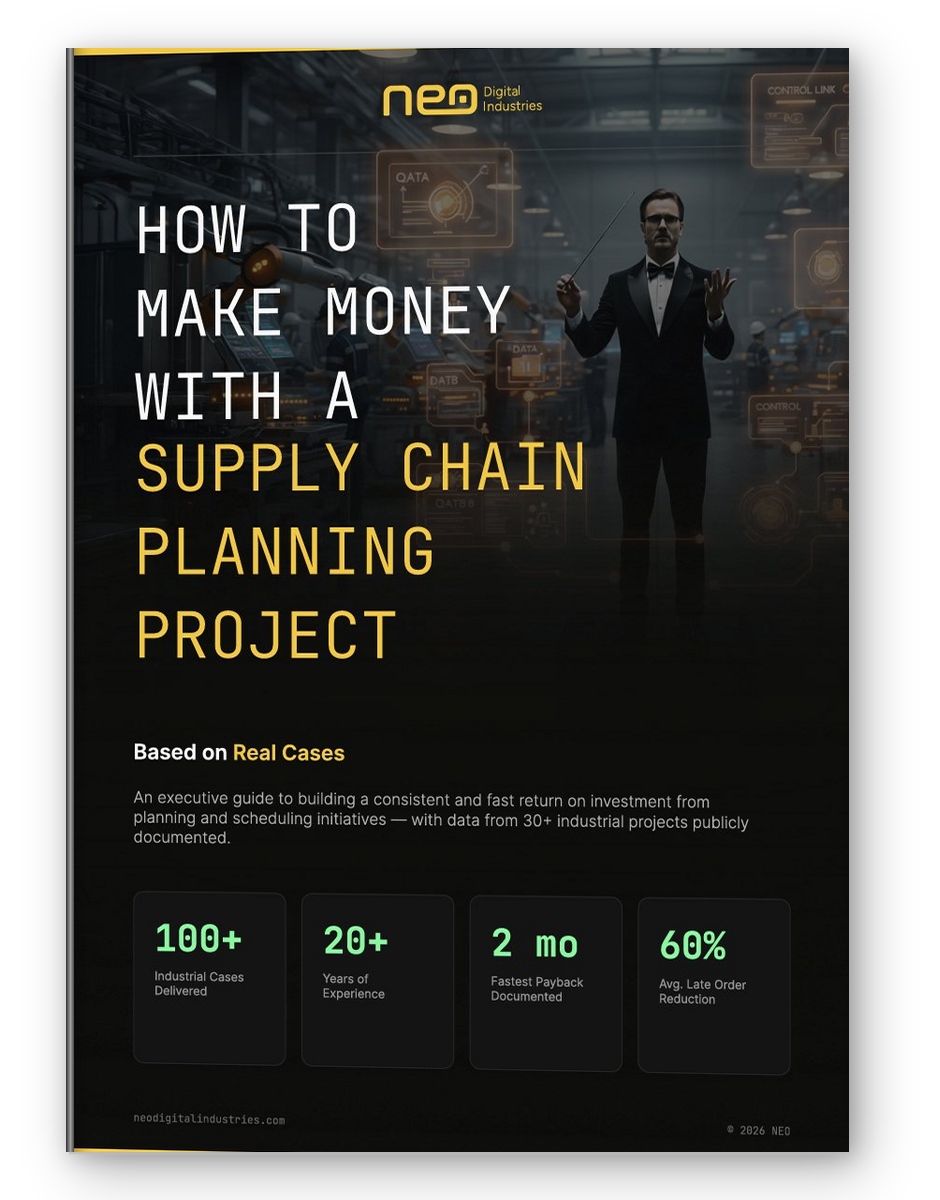
Free Ebook: How to Make Money With a Supply Chain Planning Project
Executive guide featuring data from over 30 documented projects. Discover the three sources of ROI, how to build a solid business case, and a step-by-step payback formula you can apply today.
Talk to one of our APS experts
Get a personalized assessment of your operations from APICS CPIM certified consultants. We will help you identify opportunities for improvement and estimate the return on your project.